Why Children Show Anxiety Through Behavior Instead of Words
July 13, 2026
Children often express anxiety through behavior rather than words. This can be puzzling for parents and caregivers. Understanding why this happens can help with supporting anxious children.
Young children may not have the vocabulary to articulate their feelings. Instead, they show anxiety through actions like restlessness or avoidance. These behaviors can be signs of underlying emotional struggles.
Emotional regulation in children is still developing. This makes it harder for them to manage anxiety verbally.
Creating a supportive environment is key. Encouraging open communication helps children feel safe to express their feelings.
Understanding Childhood Anxiety: Why Words Aren’t Enough
Children’s brains are still developing, particularly the areas responsible for language and complex thought. This impacts their ability to express emotions verbally, including anxiety. They might not fully understand their feelings, let alone describe them in words.
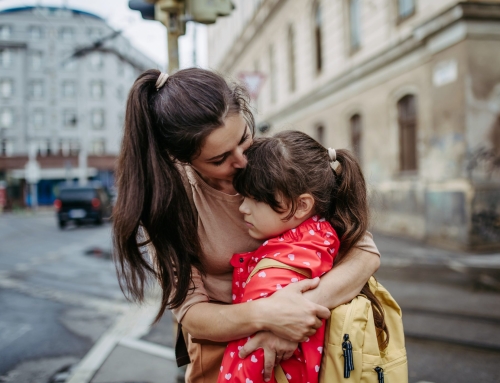
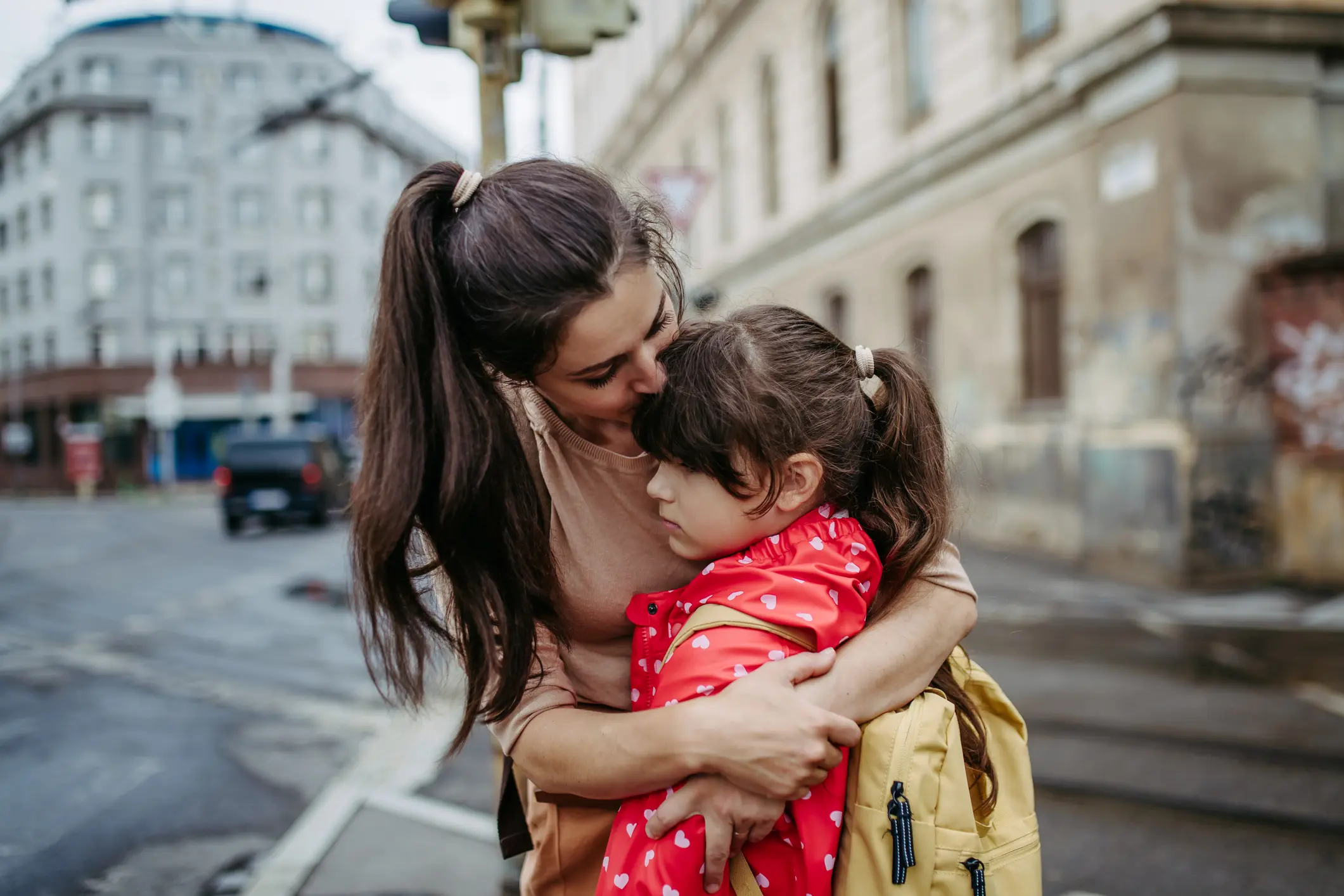
Instead of words, children often resort to behaviors that signal distress. For example, a child might avoid certain activities or cling to a parent. These actions speak volumes about their underlying anxiety.
Here are some reasons why children show anxiety through behavior instead of words:
- Limited vocabulary
- Developing emotional awareness
- Incomplete understanding of feelings
The process of emotional development is gradual. As children grow, they slowly learn to identify and articulate their emotions. Until then, behaviors serve as crucial cues for adults.
Understanding the limitations of childhood communication can guide responses. It’s essential to be patient and attentive, offering children the support they need to navigate their feelings. Through this awareness, adults can create environments that foster emotional safety and expression.
Common Behavioral Signs of Anxiety in Children
Children express anxiety in unique ways, often showing it through behaviors rather than verbal communication. These behaviors can serve as important indicators for adults seeking to understand a child’s emotional state.
Common behavioral signs of anxiety in children include changes in sleep patterns. Difficulty sleeping or frequent nightmares can signal underlying stress. Avoidance is another indicator as children may shy away from specific situations or activities they find intimidating.
Physical complaints are also common. Children might report stomachaches or headaches without a clear medical cause. These symptoms can arise from anxiety’s impact on the body.
Pay attention to sudden shifts in mood or behavior. For example, a typically outgoing child might become withdrawn or irritable. Here’s a quick list of behaviors to observe:
- Changes in sleep
- Avoidance of activities
- Physical complaints
- Mood swings
Awareness allows adults to address anxiety before it becomes a bigger issue, promoting better mental health for children.
The Role of Emotional Regulation in Children
Children’s ability to manage emotions is a key component in how they express anxiety. Emotional regulation in children is still developing, which can make managing anxiety particularly challenging for them.
Young children may not have the skills to name their feelings effectively. This limitation can result in heightened frustration and more pronounced behavioral responses when they feel anxious. Without a developed vocabulary, they rely on behavior to convey their emotions.
Parents and caregivers play a vital role in nurturing this emotional growth. Modeling and teaching emotional regulation can help children process their feelings more healthily. Here are some strategies to support emotional regulation:
- Encourage naming emotions
- Practice deep breathing techniques
- Validate their feelings
- Create a predictable routine
As children learn to regulate their emotions, their capacity to express anxiety in less disruptive ways improves, leading to enhanced coping skills in the long run.
Why Children Express Anxiety Through Behavior
Children often express anxiety through their actions rather than words because they lack the emotional vocabulary necessary to articulate their feelings. A young mind is still learning to differentiate and express complex emotions verbally.
At times, anxiety may manifest as physical symptoms such as stomachaches or headaches. These physical reactions can be a child’s way of communicating distress when language fails them. As such, these symptoms should not be overlooked as they might signal deeper emotional concerns.
Behavioral expressions of anxiety in children can vary, including avoidance of specific situations, clinginess or tantrums. Such behaviors often speak louder than words, highlighting a need for understanding and intervention. Parents and caregivers can better decipher these signs by observing patterns and being attentive to their child’s needs. Here are some common behaviors to watch for:
- Frequent emotional outbursts
- Reluctance to participate in activities
- Physical complaints without an apparent cause
How to Recognize and Respond to Anxiety in Children
Recognizing anxiety in children requires careful observation and sensitivity. Children may not understand their feelings, but their behaviors and expressions can offer clues. Subtle signs, like changes in sleep patterns or appetite, might indicate anxiety.
Parents and caregivers should trust their instincts when they notice these signs. Often, it’s the slight changes that reveal the most about a child’s emotional state. Engage with the child through open-ended questions to better understand their feelings and challenges.
Once anxiety is identified, respond with empathy. Validate the child’s feelings to assure them that it’s okay to feel anxious. This can help create a supported environment where they feel comfortable to express themselves.
Offering practical support also aids in managing child anxiety. Establishing consistent routines can provide them with the security they need. Some strategies for responding include:
- Encouraging communication about their fears
- Providing reassurance and comfort
- Modeling calm and effective coping strategies
These approaches can help in addressing childhood anxiety symptoms and fostering emotional regulation in children.
Strategies for Supporting Anxious Children
Creating a nurturing environment is critical for supporting anxious children. This begins with establishing a predictable daily routine that offers them a sense of security. Consistent schedules can reduce uncertainty, a common trigger of anxiety.
Communication plays a vital role in support. Encourage children to share their worries without fear of judgment. Actively listening and validating their feelings can strengthen their trust and openness.
Engaging in relaxation techniques can help manage anxiety symptoms. Practices such as deep breathing or mindfulness exercises can be particularly beneficial. These techniques equip children with tools to calm themselves during times of stress.
Physical activity should not be overlooked. Regular exercise can positively impact child mental health by releasing tension and promoting well-being. Including creative outlets like drawing or music can also provide emotional expression.
Additionally, setting clear and achievable goals for children can empower them. It helps build confidence and provides a sense of accomplishment. Some practical strategies include:
- Encouraging consistent sleep patterns
- Limiting screen time, especially before bed
- Promoting social interactions with peers
Through these strategies, parents and caregivers can offer comprehensive support to help children navigate their anxiety.
When to Seek Professional Help
Recognizing when to seek professional help is key to managing anxiety in children. Professional guidance can provide a structured approach to treatment. Therapists or counselors can offer specialized techniques tailored to each child’s unique needs.
Consider outside help if anxiety disrupts a child’s daily life. Indicators include persistent difficulty with school, relationships or sleep. When these signs persist, professional intervention can be beneficial.
Here are some situations where professional help should be considered:
- Persistent anxiety symptoms lasting several months
- Anxiety leading to self-harm or harmful behavior
- Signs of depression accompanying anxiety
Reaching out for professional support can create a collaborative path to help children thrive. With the right resources and care, children can learn effective ways to manage and overcome anxiety.
Help for Anxiety for Children in Texas
At San Marcos Treatment Center, we believe in young people and their ability to change and grow in healthy and productive ways. Our clinical team develops an individualized treatment plan designed to address a variety of issues. Consideration is given both to the needs of patients and those of parents or guardians. Call us at 800-251-0059 for more details on our programs and insurance options.
In case of a mental health crisis, CALL 988 or seek the nearest emergency room.