Recognizing Anxiety in Children With Autism
July 2, 2026
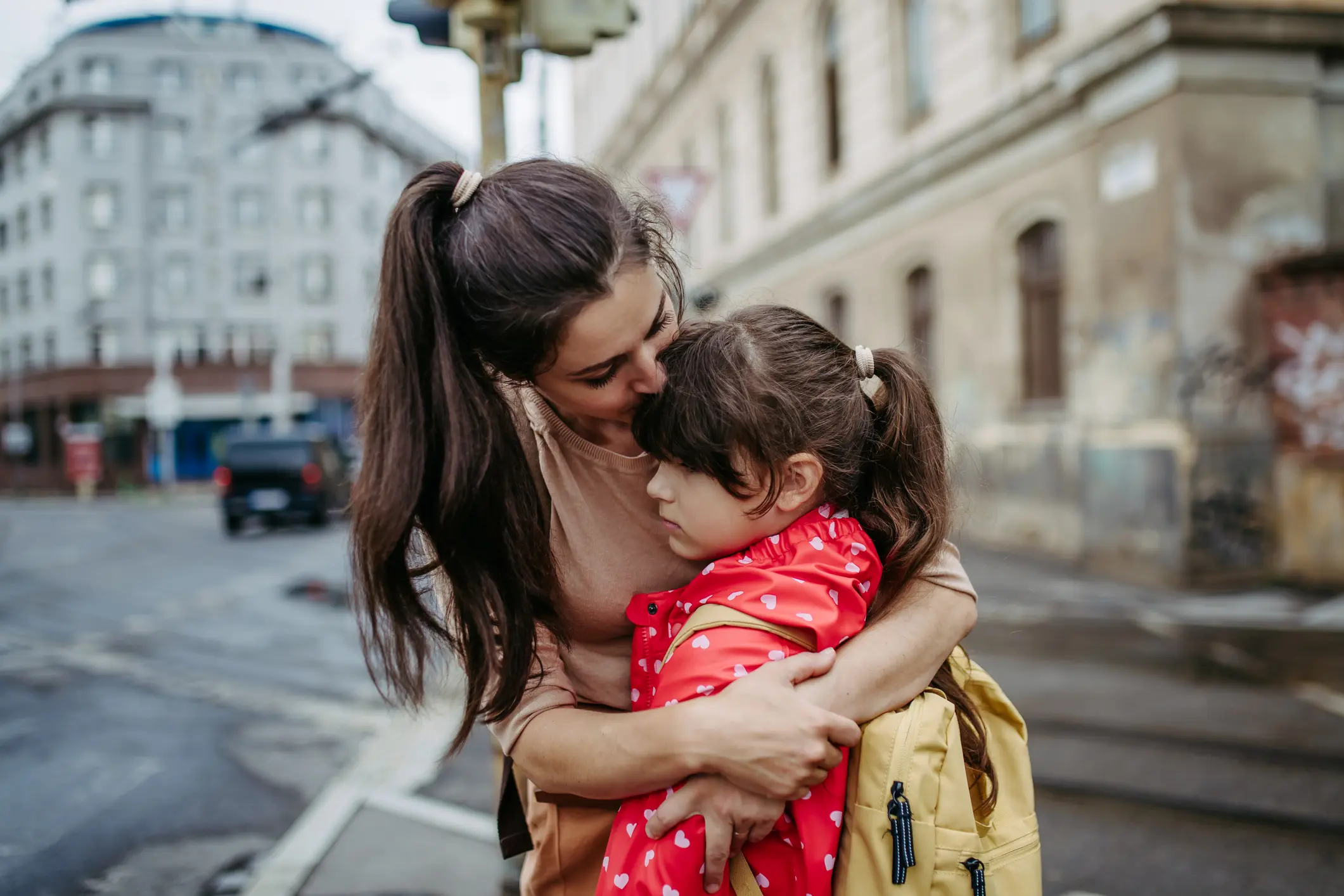
Recognizing anxiety in children with autism can be challenging. Their unique ways of expressing emotions often mask anxiety symptoms. Understanding these signs is crucial for providing the right support.
Anxiety in children with autism may manifest differently than in neurotypical children. It can lead to increased stress for both the child and their family.
Identifying anxiety symptoms early can help in managing them effectively. This involves observing changes in behavior and emotional responses.
Parents and caregivers play a vital role in recognizing these signs. They can implement coping mechanisms and calming strategies tailored to the child’s needs.
Understanding Anxiety in Children With Autism
Anxiety is common among children with autism. It can significantly affect their daily functioning. Unlike typical anxiety, it often intertwines with the core characteristics of autism.
Children with autism might find it hard to express their feelings. This makes anxiety more difficult to identify. Parents and caregivers need to be observant of non-verbal cues.
Anxiety in autistic children could manifest as repetitive behaviors. It might also show up as resistance to changes in routine. These behaviors are often coping mechanisms for overwhelming situations.
To better understand anxiety in autistic children, consider these points:
- Anxiety in autism may stem from sensory overload.
- Changes in routine can escalate anxiety levels.
- Communication difficulties often intensify anxiety.
Recognizing anxiety is the first step in managing it. This understanding enables caregivers to implement appropriate interventions. By acknowledging how anxiety presents in autism, families can better support their child’s mental health needs.
Common Anxiety Symptoms in Autistic Children
Recognizing anxiety symptoms in autistic children requires keen observation. These symptoms often differ from those seen in neurotypical children. Understanding these differences can aid in providing effective support.
Physical signs are among the first indicators of anxiety. These might include increased heart rate, sweating or gastrointestinal issues. However, they are not always easily identifiable.
Behavioral changes often signal anxiety in autism. Autistic children may engage in more repetitive behaviors, such as rocking or flapping. They might also become more withdrawn or irritable.
To better recognize anxiety symptoms, look for:
- Changes in sleep patterns.
- Sudden avoidance of specific people or places.
- Increased frequency of meltdowns or tantrums.
Emotional symptoms can also offer clues. Increased irritability or frequent crying spells may indicate underlying anxiety. By paying attention to these signs, caregivers can take proactive steps to address the child’s needs effectively.
Why Anxiety Looks Different in Autism
Anxiety in autistic children can manifest uniquely. This is because autism itself alters how emotions are experienced and expressed. What appears as a tantrum might actually be a response to overwhelming anxiety.
Communication challenges often intensify anxiety symptoms. Autistic children may struggle to express their discomfort or fears verbally. As a result, anxiety may present as physical or behavioral symptoms instead.
Additionally, sensory sensitivities common in autism can exacerbate anxiety responses. A busy, loud environment might feel unbearable, leading to heightened anxiety. Understanding these nuances is key to providing effective support and interventions for anxiety in autistic children.
Triggers: What Causes Anxiety in Autistic Children?
Understanding the triggers of anxiety in autistic children is crucial. Many factors unique to autism can lead to increased anxiety levels. Identifying these triggers helps caregivers provide effective support.
Autistic children often experience anxiety due to their rigid routines. Sudden changes or disruptions can be particularly distressing. Transitioning from one activity to another might induce anxiety if not handled gently.
Sensory issues are also significant triggers. Bright lights, loud noises or strong smells can overwhelm. Furthermore, social situations can be daunting for children with autism. New environments or unfamiliar people often exacerbate anxiety.
Common triggers:
- Changes in routine
- Sensory overload
- Social interactions
- New environments
Understanding these triggers aids in creating supportive and calming environments. This tailored approach helps reduce anxiety incidents, fostering a more comfortable experience for the child.
How to Help a Child With Autism Manage Anxiety
Managing anxiety in a child with autism involves thoughtful strategies. Understanding their unique needs is key. Tailoring approaches to suit these needs can make a significant difference.
Create an environment where the child feels secure. Consistent routines provide a reassuring structure. Visual schedules and clear expectations can reduce uncertainty and stress. This predictability can be comforting.
Teach coping skills early. Simple exercises can empower an autistic child to manage their anxiety. Breathing exercises and mindfulness activities help develop self-regulation. Gradually incorporate these practices into daily routines.
Practical ways to support:
- Develop a visual schedule
- Offer calm-down toys
- Encourage communication about feelings
Above all, patience and understanding are crucial. Every child is different, and finding what works may take time. Continued support and encouragement will help the child build resilience and confidence.
Calming Strategies for Autism: Coping Mechanisms That Work
Calming strategies are essential for helping autistic children manage anxiety. It’s important to find methods that resonate with the child’s unique needs. Variety in approaches can lead to greater success.
Start with sensory tools. Items like weighted blankets or fidget toys can provide soothing physical input. These tools often help in focusing and calming the mind. Their effectiveness lies in their ability to meet sensory needs.
Introduce relaxation techniques gradually. Over time, these can become powerful coping mechanisms. Practicing these techniques regularly reinforces their calming effects.
Effective calming techniques:
- Deep breathing exercises
- Guided visualizations
- Gentle, rhythmic music
Use these strategies consistently for best results. Calming strategies should be integrated into daily life. This approach can cultivate a more peaceful environment and assist in managing anxiety levels.
How to Calm Down an Autistic Child Having a Tantrum
Calming an autistic child in the midst of a tantrum requires patience and understanding. It’s crucial to remain composed and provide a sense of safety. Your calm demeanor can help reassure the child and prevent the situation from escalating.
Use simple language to communicate. Short, clear instructions can guide them toward calmness. Avoid complex sentences that may overwhelm or confuse the child.
When to Seek Professional Help
Recognizing when to seek professional help is key. If anxiety interferes with daily activities or persists despite your best efforts, it may be time to consult an expert.
Professional guidance can provide tailored strategies and therapies. Engaging with a specialist can significantly improve your child’s well-being and quality of life.
At San Marcos Treatment Center, we believe in young people and their ability to change and grow in healthy and productive ways. Our clinical team develops an individualized treatment plan designed to address a variety of issues. Consideration is given both to the needs of patients and those of parents or guardians. Call us at 800-251-0059 for more details on our programs and insurance options.
In case of a mental health crisis, CALL 988 or seek the nearest emergency room.