Unique Mental Health Challenges Faced by Military Families
February 23, 2026
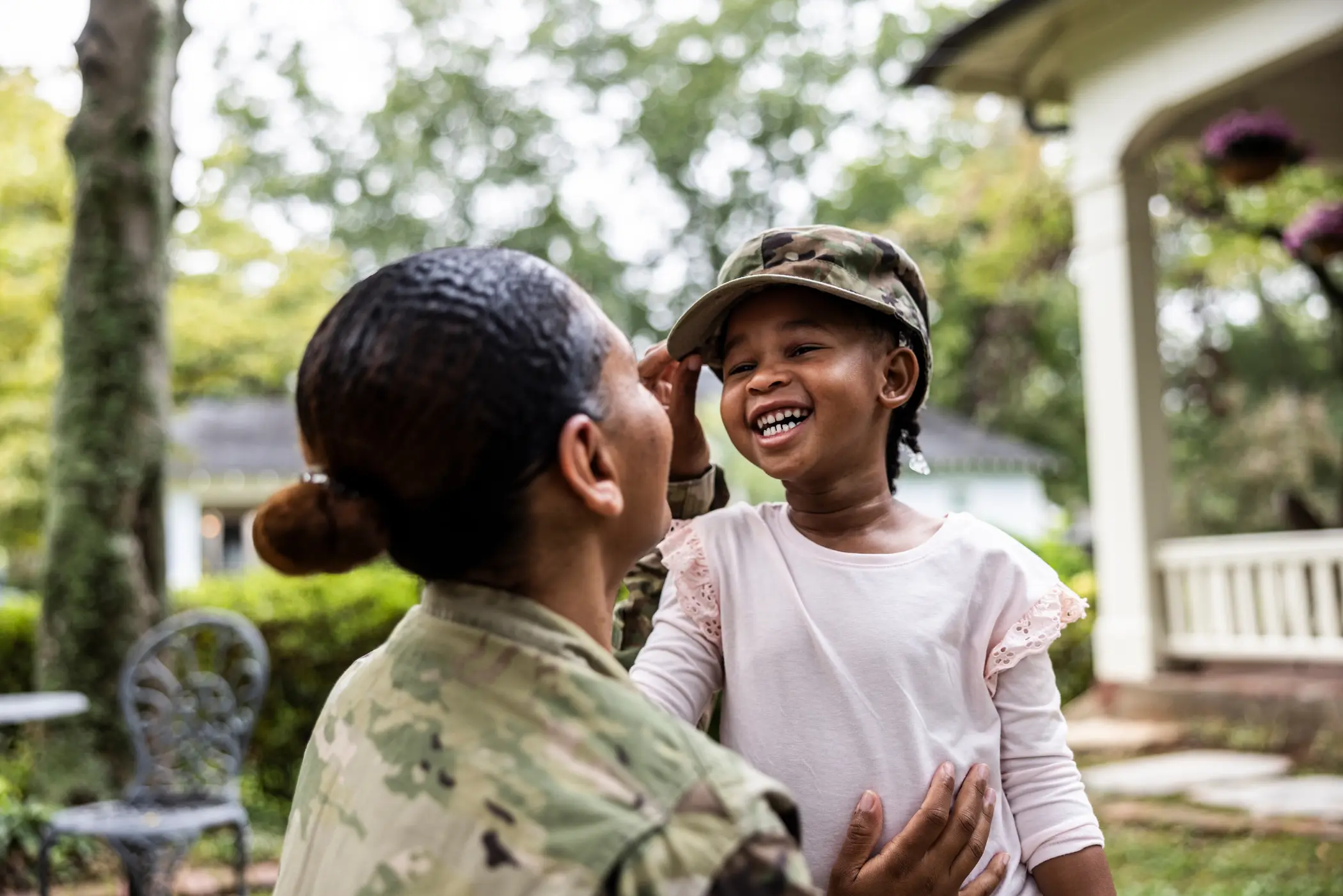
The image of a soldier’s joyous homecoming is a powerful one. We see it as the end of a long struggle, but for the family left behind, the deployment itself is a marathon of silent challenges. Overnight, the spouse at home becomes a solo parent, responsible for everything from a broken appliance to a sick child. This role comes with the unique and heavy burden of managing a household while carrying the constant, quiet worry for their partner’s safety in a distant land.
Deployment’s impact on children’s mental health often appears in their behavior. According to research, common military child anxiety symptoms don’t always look like adult stress; instead, they may appear as trouble sleeping, a sudden drop in school performance or withdrawing from friends and activities they once loved. It’s their way of coping with an empty seat at the dinner table.
Magnifying all of this is the constant hum of the 24/7 news cycle. For these families, every headline from a conflict zone feels intensely personal, making it nearly impossible to escape a sense of potential danger. This atmosphere of low-grade dread shapes the entire “home front” experience, making effective deployment stress management for families not just helpful, but absolutely essential for their well-being.
Why Every 2 to 3 Years Feels Like Starting Life Over From Scratch
While deployments are the most visible challenge, another powerful stressor operates on a relentless cycle: the move. For military families, the process of packing up their entire lives isn’t a once-a-decade event. It’s a routine part of the job known as a Permanent Change of Station (PCS) and it typically happens every two to three years. This constant upheaval forces families to repeatedly rebuild their lives from scratch in an entirely new community.
This constant churn has a profound and often invisible impact on a military spouse’s career. Just as they might establish themselves in a job, they are forced to resign, navigate new state licensing requirements and begin a job search all over again. This cycle is a primary driver of military spouse unemployment, creating significant financial strain and a frustrating loss of professional identity that can chip away at their sense of self.
For children, the emotional cost is just as high. Imagine being a teenager and having to say goodbye to your friends, sports team and support system, only to start over as the “new kid” for the third time in high school. The constant uprooting can contribute to the PCS move impact on teenage depression by fostering deep feelings of loneliness and anxiety, making it difficult to form lasting bonds.
This relentless cycle of starting over demonstrates the widespread effects of constant relocation on family wellness, creating a foundation of instability that permeates every aspect of their lives. Yet, even when a family is finally settled in a new home, another major disruption often looms — the one that begins the moment a service member walks back through the door.
When “Welcome Home” Is Just the Beginning: The Unseen Challenge of Reintegration
A joyful homecoming often marks the beginning of another silent struggle: reintegration. This is the challenging period of learning to be a family again. After months apart, the person who left has changed, and the family they left behind has adapted to their absence. They must now figure out how to fit back together into a life that has inevitably moved on without them.
During deployment, the at-home spouse becomes the sole manager of the household, creating new routines to survive. When the service member returns, their attempts to step back into old roles can create friction, leading to significant reintegration challenges for military couples. They must renegotiate everything from parenting decisions to daily chores, like a merger between two people who have been living completely separate lives.
Beyond logistics, emotional reconnection is often the hardest part. Partners may feel like strangers, and children can react with shyness or even resentment. This is especially true when a service member returns carrying the invisible weight of their experiences. The difficulty of reconnecting adds another complex layer, turning a home into a place of uncertainty. It can feel like walking on eggshells around the very person they missed the most.
Walking on Eggshells: How a Service Member’s Trauma Can Affect the Whole Family
That feeling of “walking on eggshells” is more than just stress; it can cause what’s known as secondary trauma in military families. Trauma isn’t always contained to the person who experienced it. Like emotional shrapnel, it impacts those closest to them. Spouses and children can absorb their loved one’s anxiety and pain, developing their own trauma symptoms over time simply from providing compassionate care. This is the hidden emotional cost of supporting a hero.
For those coping with a veteran’s PTSD at home, life can begin to revolve around managing triggers. A slammed door might cause a panic response, so kids learn to be quiet. A crowded store can feel threatening, so family outings are canceled. The spouse often becomes a hyper-aware manager of the home environment. This constant vigilance is exhausting and can lead to burnout, with signs including:
- Feeling emotionally numb or detached
- Chronic exhaustion
- Experiencing anxiety when their partner is triggered
So why is seeking help so hard? The military’s “mission first” culture prizes emotional control. Service members are trained to “suck it up,” and that mindset comes home, creating an unspoken rule that asking for help is weak. For the family, this stoicism becomes a wall, making it hard to admit they are struggling. Finding a therapist who understands military culture, and this immense pressure to appear strong, is a critical but often difficult step.
How to Be an Ally: Three Small Acts of Support for Military Families
Recognizing the frequent moves, career interruptions, and quiet reintegration struggles reveals the unique strength required to navigate military life. These are not abstract concepts but real, human pressures carried by the entire family. Meaningful support begins with simple acts of inclusion.
When you meet a military spouse, ask about their career, not just their partner’s service. If a new family moves into your neighborhood, a warm welcome can break through intense isolation. As an employer, you can see a varied resume not as a red flag, but as proof of incredible adaptability.
You don’t need a grand gesture to make a difference. By seeing the whole person beyond the military role, you become part of the very community and support system they are seeking.
At San Marcos Treatment Center, we believe in young people and their ability to change and grow in healthy and productive ways. Our clinical team develops an individualized treatment plan designed to address a variety of issues. Consideration is given both to the needs of patients and those of parents or guardians. Call us at 800-251-0059 for more details on our military programs and insurance options.
In case of a mental health crisis, CALL 988 or seek the nearest emergency room.